
Laravel API integrations that stay reliable
We design, build, and support Laravel integrations between your systems — payments, CRM/ERP, booking, marketing, and analytics. The goal is simple: less manual work, consistent data, and fewer surprises in daily operations.
CLIENT’S PAIN POINTS
Where time is lost
and errors appear
When systems are not connected properly, teams compensate with manual work. It is slow, expensive, and mistakes are hard to avoid.

Copy-paste and CSV instead of sync.
Manual transfer of orders, payments, and statuses takes hours. One missing column or wrong format can break reports, operations, or customer communication.

Different “truths” across systems
Delayed or manual updates create mismatches between CRM, billing, logistics, and reporting. Teams end up making decisions based on incomplete or outdated data.

Dependence on “key people”
When only one person knows how the process works, everything slows down when they are unavailable. Routine manual tasks also increase the risk of duplicates and mistakes.

Problems discovered too late
Without proper alerts, logs, and monitoring, issues are often noticed only after customers are affected. Fixing them later usually costs more time and budget.
Start with a practical plan
We will review your current setup and suggest the best next step: what to stabilize first, what to automate next, and how to move forward without unnecessary complexity.
OUR SOLUTION
How we make integrations
reliable
We replace fragile manual processes with resilient Laravel integrations — so events are processed, data stays consistent, and problems become visible early.
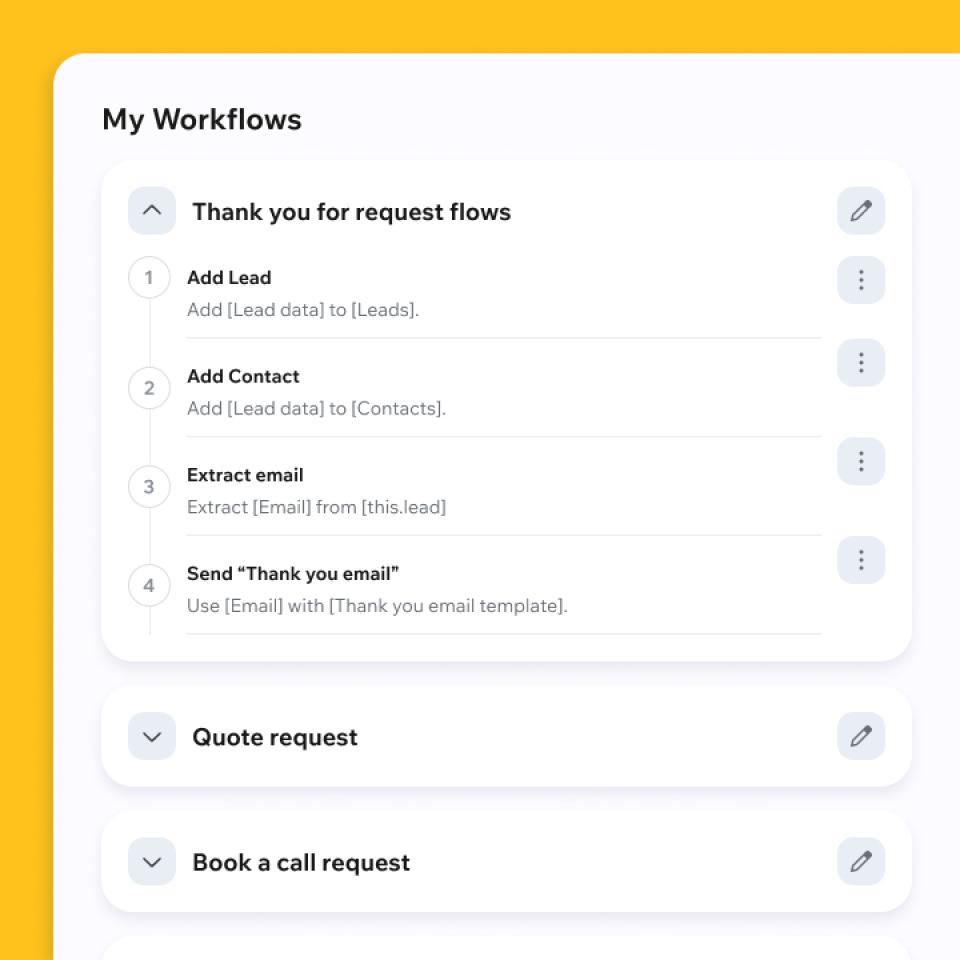
From manual steps to jobs and queues
We convert repetitive manual tasks into queued Laravel jobs with automatic retries and failure handling. Long-running processes run in the background without blocking your application, and every step is logged for monitoring and debugging.
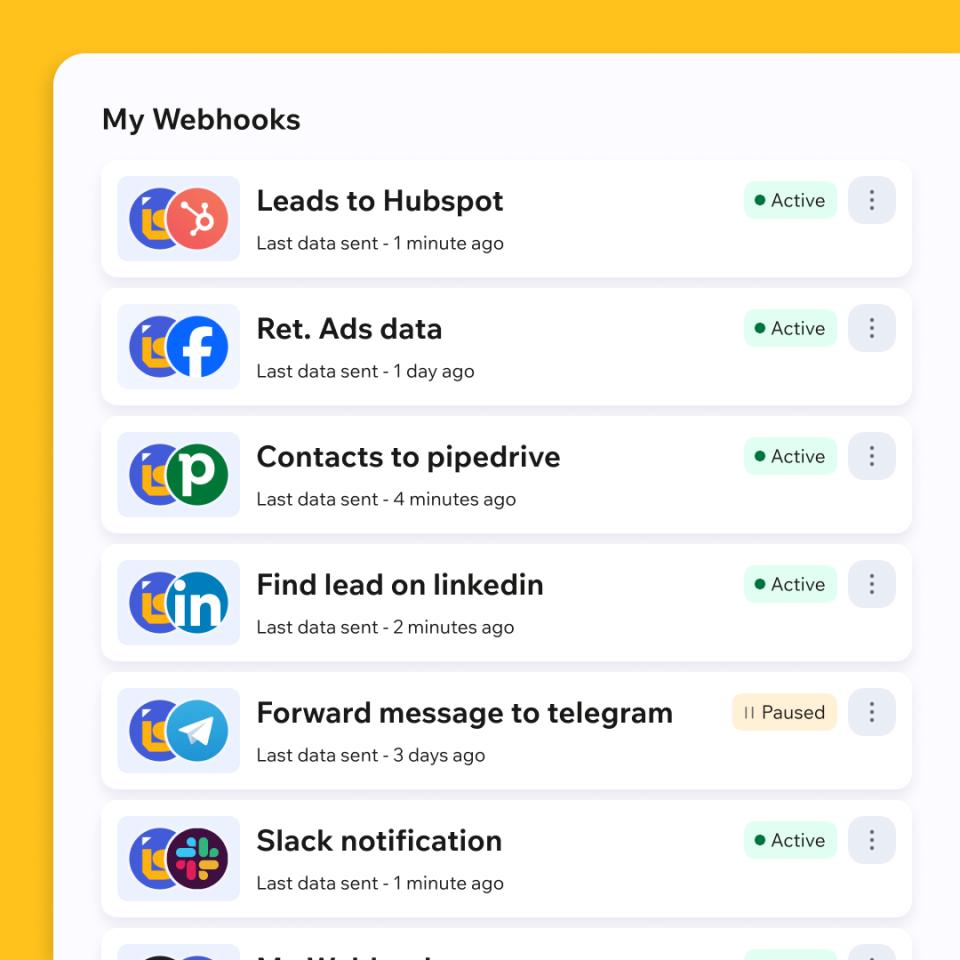
Webhooks without duplicates or chaos
We implement idempotency, signature verification, event ordering, and correlation IDs. Even if the same webhook arrives more than once, your data stays consistent.
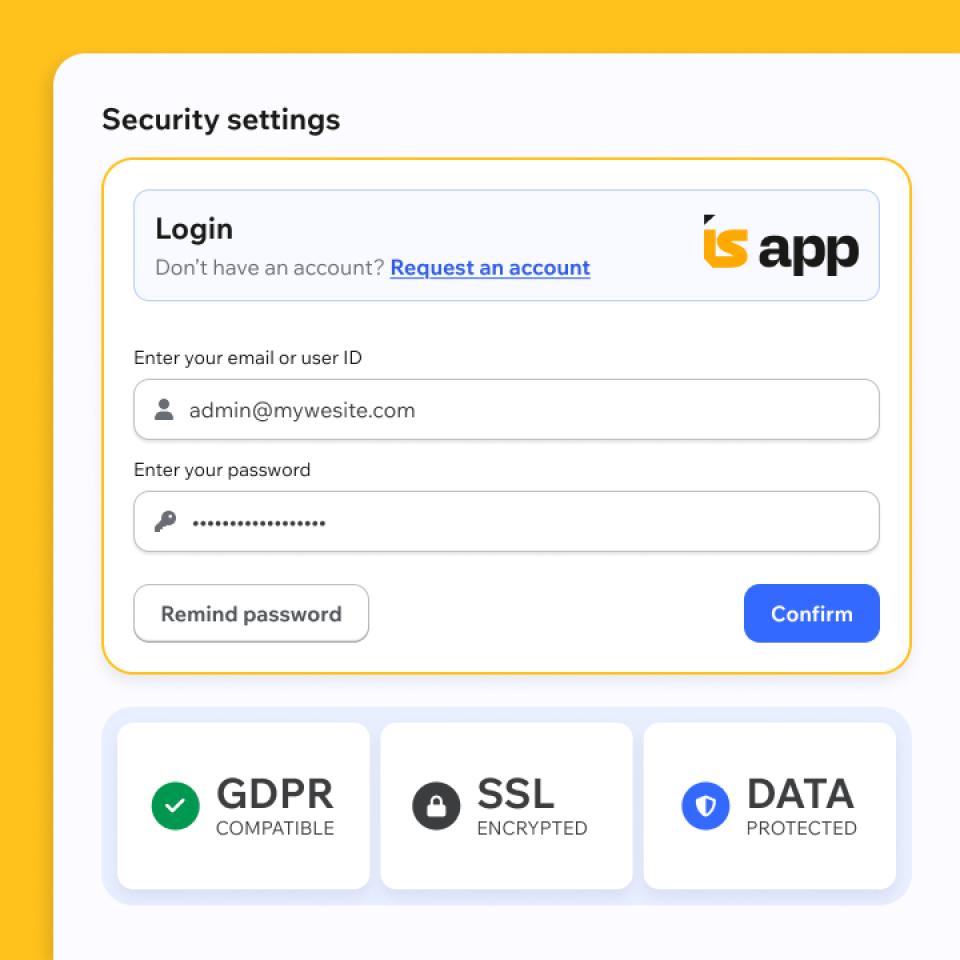
Security and compliance built in
We account for authentication, secret management, encryption, access control, and auditability from the start. We also support GDPR-focused practices such as PII minimization, masking, and retention rules.
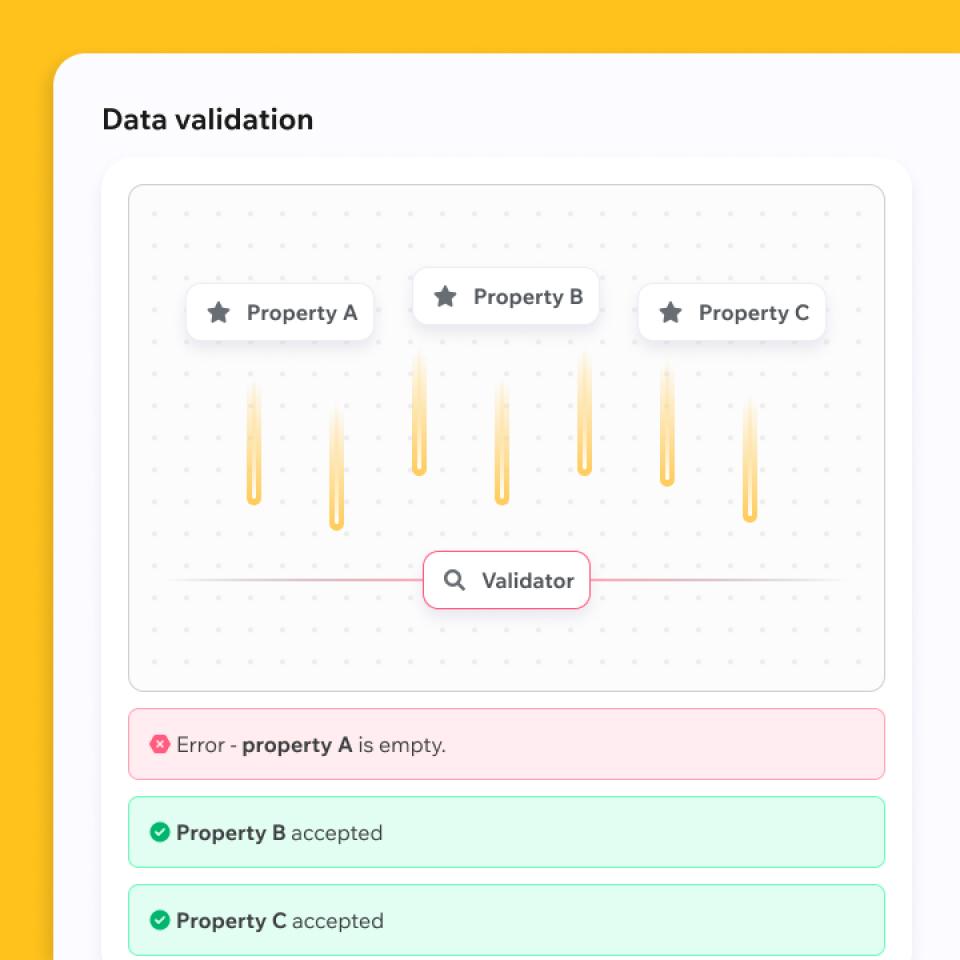
Unified data model and strict validation
We normalize fields, map statuses and error codes, and validate inputs before they affect downstream systems. This reduces mismatches and improves reporting quality.
HOW IT WORKS?
How the process works
We move in short iterations: first clarify the flow and risks, then build and launch in a controlled way.
Brief
Share systems and goals
You tell us what needs to connect, what is manual today, and what outcomes matter. A short brief gives us enough context to start in the right direction.
Scope
Map flows and access
We refine the integration scope, events, constraints, and edge cases. You provide sandbox access, API docs, or sample payloads, and we prepare the implementation plan.
Build
Implement in milestones
We build the integration in stages with queues, retries, validation, and monitoring in place. Progress is shared early so feedback happens before final rollout.
Launch
Test, release, support
We complete testing, verify observability and failure handling, and deploy safely. After launch, we can support improvements, monitoring, and future integration changes.
And this is where the journey begins
FAQ
Common questions
Short answers to common questions about external API integrations on Laravel.
Which systems do you integrate?
Payments (for example Stripe or Adyen), CRM/ERP and marketing tools, booking platforms, analytics and ads platforms, and communication services such as Twilio. We can also work with custom or niche APIs.
Can you work with legacy or unusual APIs (SOAP/CSV)?
Yes. We build adapters, batch processes, and fallback flows for systems that do not provide modern APIs. We also define degraded-mode scenarios so operations can continue safely.
What about security and GDPR?
We follow secure integration practices such as signature verification, secret handling, least-privilege access, and encrypted data transport/storage where required. We also support GDPR-focused practices like PII minimization, masking in logs, and retention policies.
How do you ensure reliability and avoid duplicates?
We use queues and jobs, idempotency and deduplication, retries with backoff, event ordering where needed, and integration testing. The goal is reliable processing even when external APIs behave unpredictably.
What do you need from us to start?
A list of systems and key scenarios, API documentation (if available), sandbox or test access, sample data/payloads, and one contact person for decisions and clarifications.
Who owns the code and documentation?
You do. We work in your repository (or transfer the code to you), and we can provide flow documentation, runbooks, and support instructions for handover.
GET IN TOUCH
Tell us what you need
Whether you need a new integration, help stabilizing an existing Laravel integration, or support with webhook reliability and data consistency, we will suggest the best next step.